‘Tis the season for sensory shopping
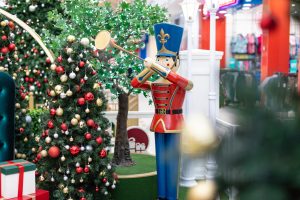
Christmas decorations are seen in a shopping mall.
As Christmas heads into its final weeks, the mayhem, crowds and noise can become too much for many people living with brain injury. Shopping centres are brighter, busier and louder, which can quickly trigger headaches, fatigue and sensory overload.
The good news is that more shopping centres and individual retailers across Australia are now offering quieter or low-sensory options among the Christmas trees, tinsel and carollers. These changes enable people with light and noise sensitivities to shop with greater control.
Sensory Santa
This year, Sensory Santa sessions are being held around Australia, providing children with brain injuries a calm way to meet Santa. Many shopping centres and large department stores have set aside specific times for pre-booked sessions before normal trading, with reduced crowds, no or low music, softer lighting and no long queues. Santa and the photography team are briefed to work slowly, follow the child’s lead and use flexible strategies to capture a Christmas photo in a way that feels safe and positive.
We have pulled together a national list of Santa Sensory experiences to make it easier to find a session near you. Sessions can book out early, so check dates and accessibility details in advance and let the centre know about any specific brain injury or sensory needs when you book.
Sensory shopping
Sensory or “quiet hour” shopping has been growing for several years now, and it can make a huge difference for people of all ages living with brain injury. Christmas often brings pressure to buy food and gifts in very busy environments, but some large and small retailers now offer dedicated low-sensory times with dimmed lights, reduced noise and extra staff support. We have created a list of supermarkets, department stores, and other retailers across Australia who offer Sensory Christmas Shopping so you can plan trips at times that are less likely to trigger overload.